

Estimated reading time: 5 minutes
The Struggle With Silence
If you’ve ever stood in front of a room full of ESL newcomers and asked what felt like the simplest question, you know the sound I’m talking about: silence. You’ve written the question on the board. You’ve even added visuals. Yet your students just stare at you. This is where wait time strategies for ESL classroom become crucial. Maybe one whispers the answer. Others look confused. As teachers, that silence can feel unbearable, and the temptation is strong to answer for them or call on the one student with more English.
But here’s the truth: our English learners aren’t incapable. They’re in a stage of growth where they need patience, scaffolding, and yes—intentional wait time.
Why Wait Time Matters for ESL Beginners
Many newcomers experience what’s known as the “silent period,” a stage where students absorb language before they’re ready to produce it. Forcing them to speak before they’re prepared only leads to frustration—for both teacher and student. Respecting this stage and building in purposeful wait time is one of the most effective strategies to help students move from silence to speaking with confidence. In this context, understanding the right wait time strategies for the ESL classroom is essential.
Wait time is not about awkward silence. It’s about structured support, giving learners space to process language and prepare a response.
Four Effective Wait Time Strategies for the ESL Classroom
Here are some of my favorite wait time strategies for ESL classroom discussions that move students from panic to prepared:
1. Small Group Question Dissection
Write the question on the board and have the whole class echo-read it aloud. Then break it down together—clarifying confusing parts, simplifying language, and modeling sentence stems. Next, let small groups discuss the question (yes, even in their native languages) while preparing an English answer. Set a timer for 3–5 minutes. When time’s up, students are ready to respond, and the expectation is clear: they can answer in English.
2. The Parking Lot Post-It Strategy
For more writing support, post questions on the board or around the room. Give students sticky notes to write their answers. When called on, they can read directly from their note or recall it from memory. This adds low-stakes practice and reduces the fear of “messing up.” This strategy is another way of implementing effective wait time strategies in the ESL classroom.
3. Sentence Frames + Word Banks
Don’t leave students guessing. Provide sentence starters and word banks with visuals. This ensures they have accessible tools to form their responses and removes the pressure of thinking in English from scratch.
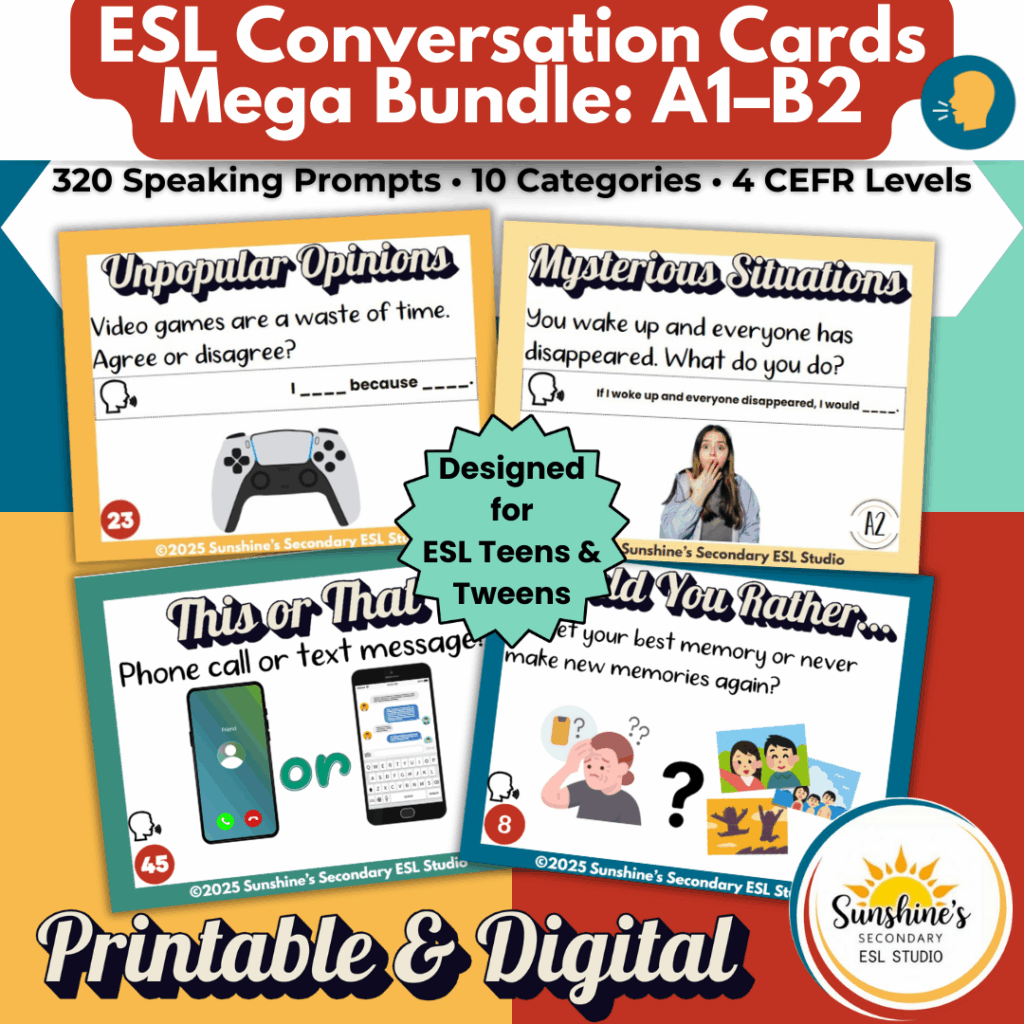
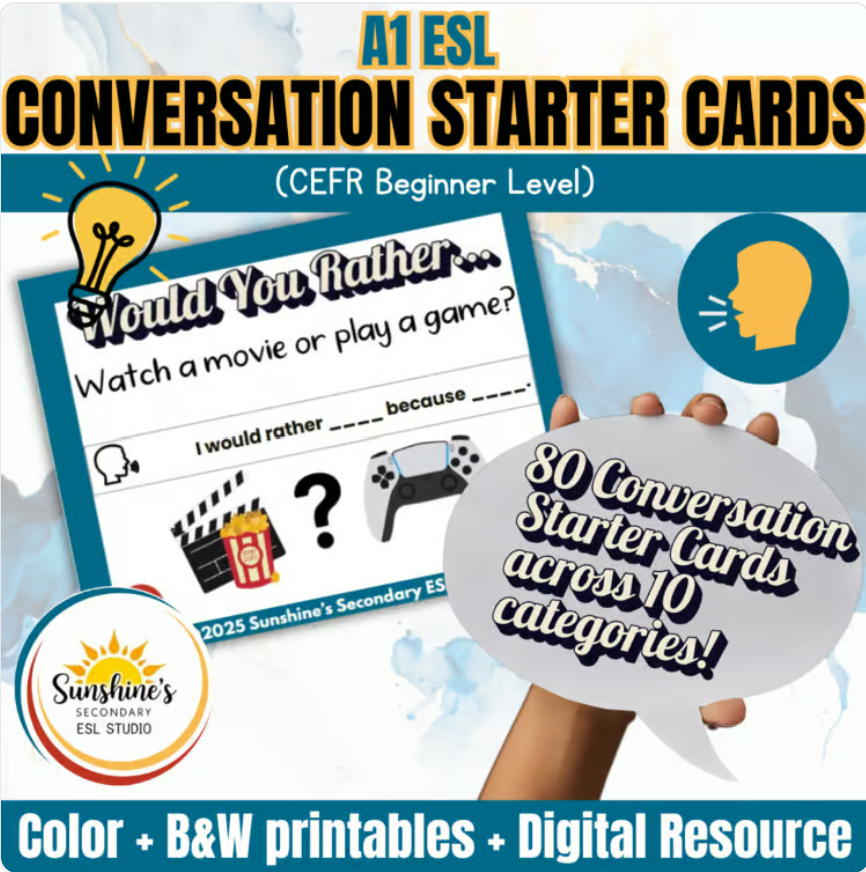
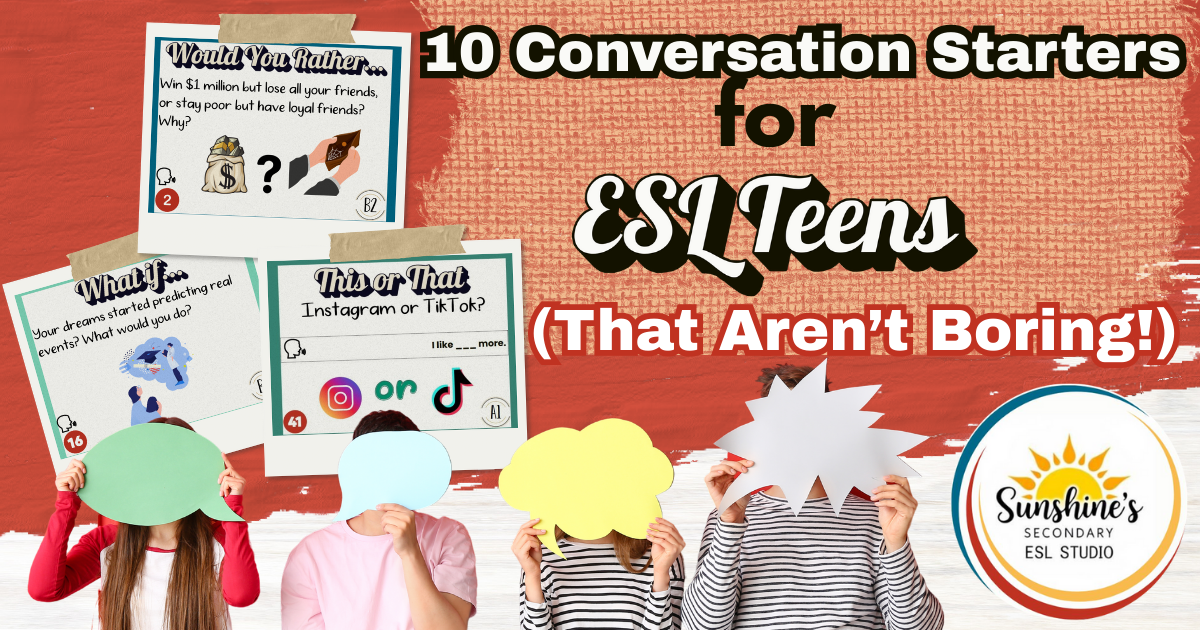
4. Vocabulary & Conversation Cards
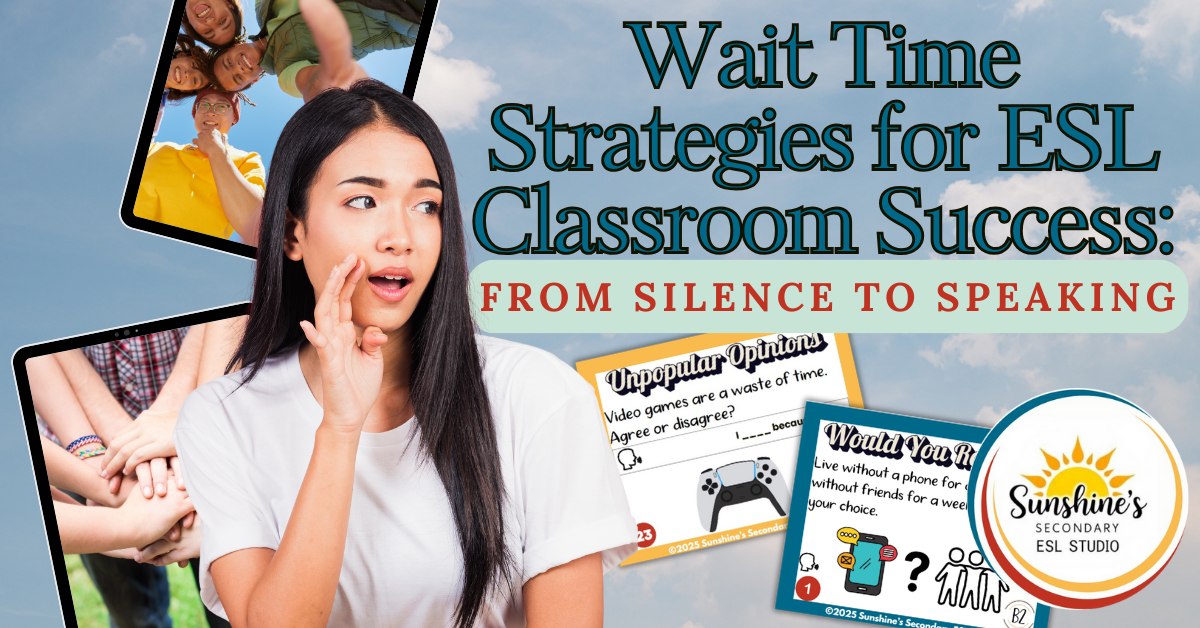
Building academic vocabulary is critical. Regular exposure through low-stakes speaking practice—like conversation cards—creates an environment where students understand that perfection isn’t expected, but practice is. Over time, these supports make students more willing to take risks and speak, enhancing the overall effectiveness of wait time strategies in the ESL classroom.
The Teacher’s Mindset Shift
The hardest part of wait time isn’t the silence itself—it’s the discomfort we feel as teachers. We worry that students won’t answer, or that the lesson is stalling. But rushing to fill the silence often robs our learners of the very practice they need. By reframing silence as productive processing time, we shift from frustration to empowerment, which in turn optimizes wait time strategies for every ESL classroom setting.
Our students are capable. With a little coaxing, scaffolding, and consistent supports, that scary silence can transform into meaningful participation.
Final Thought
Effective wait time strategies for ESL classroom teaching aren’t about doing less—they’re about planning more. Structured supports like group dissection, parking lot notes, word banks, and conversation cards give students the tools and confidence they need to step into English speaking at their own pace.
When we as teachers embrace the pause, our ESL students find their voices.
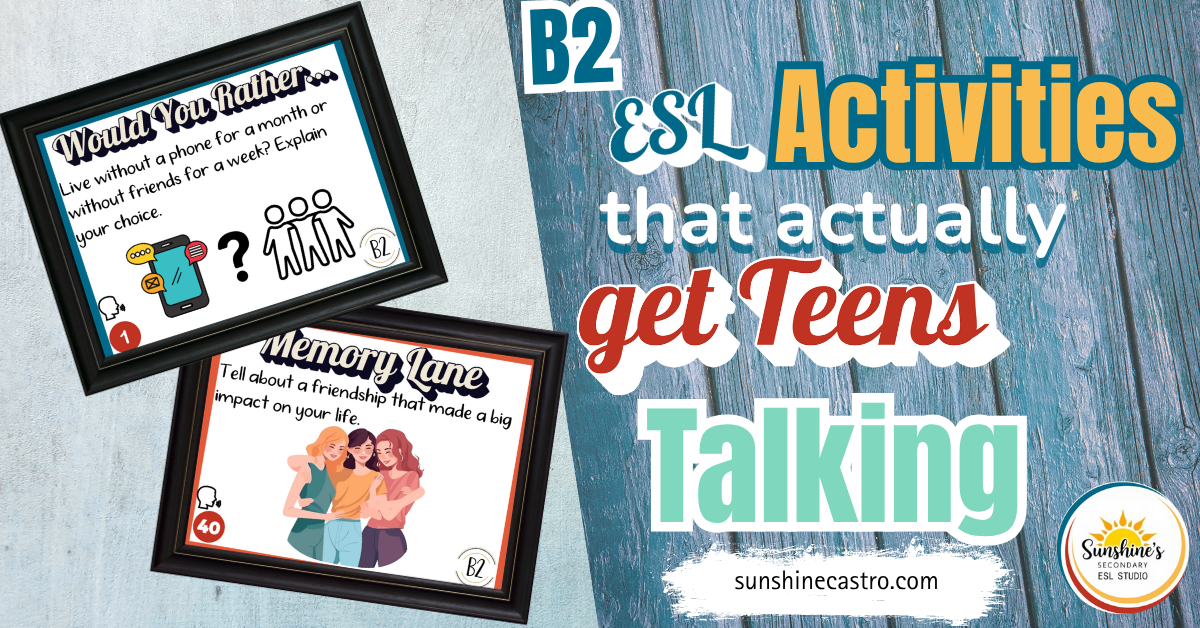
Looking for ready-made tools to build confidence in your ESL classroom? Check out my Conversation Cards for ESL Students in my TPT store!