

Estimated reading time: 4 minutes
When you think of high-stakes writing tasks for English learners, do friendly letters or formal emails come to mind? If not—they should. Learning how to teach letter writing to ESL students for state testing is crucial for their success.
Personal and formal letter writing is a real-world skill that also shows up in more places than teachers expect: on state writing tests, in TELPAS or WIDA rubrics, and in everyday classroom communication tasks. For ESL students, it’s not just about grammar—it’s about understanding tone, audience, and structure. You will find it beneficial to learn ways to teach students letter writing for state testing requirements in other words, it’s a goldmine for language development and test prep.
So if you’re wondering how to teach letter writing to ESL students for state testing, let’s break down why it matters—and how to do it right.
Why Letter Writing Matters for ESL Learners
Letter writing gives students something most writing tasks don’t: a clear purpose and a real audience. For multilingual learners, this is huge. They’re more motivated to write when they can picture who they’re writing to and why their words matter.
It also builds skills tested across the country:
- In Texas, STAAR constructed response tasks often focus on clarity, tone, structure, and audience awareness—all key elements in letter writing.
- TELPAS tasks frequently ask students to describe experiences or opinions in formats like emails or letters.
- In California, ELPAC includes informal writing responses based on prompts that mirror real-life communication.
- New York’s NYSESLAT and Florida’s ACCESS for ELLs include similar skills, especially at intermediate and advanced levels.
When you consider how to teach letter writing to ESL students for state testing, it’s clear that they must master letter writing.
Personal vs. Formal: Teach the Difference Explicitly
Many ESL students know how to text a friend. But ask them to write a formal letter to a principal? That’s a totally different skill set.
Here’s what I recommend:
- Start with anchor charts that clearly compare personal vs. formal tone and structure.
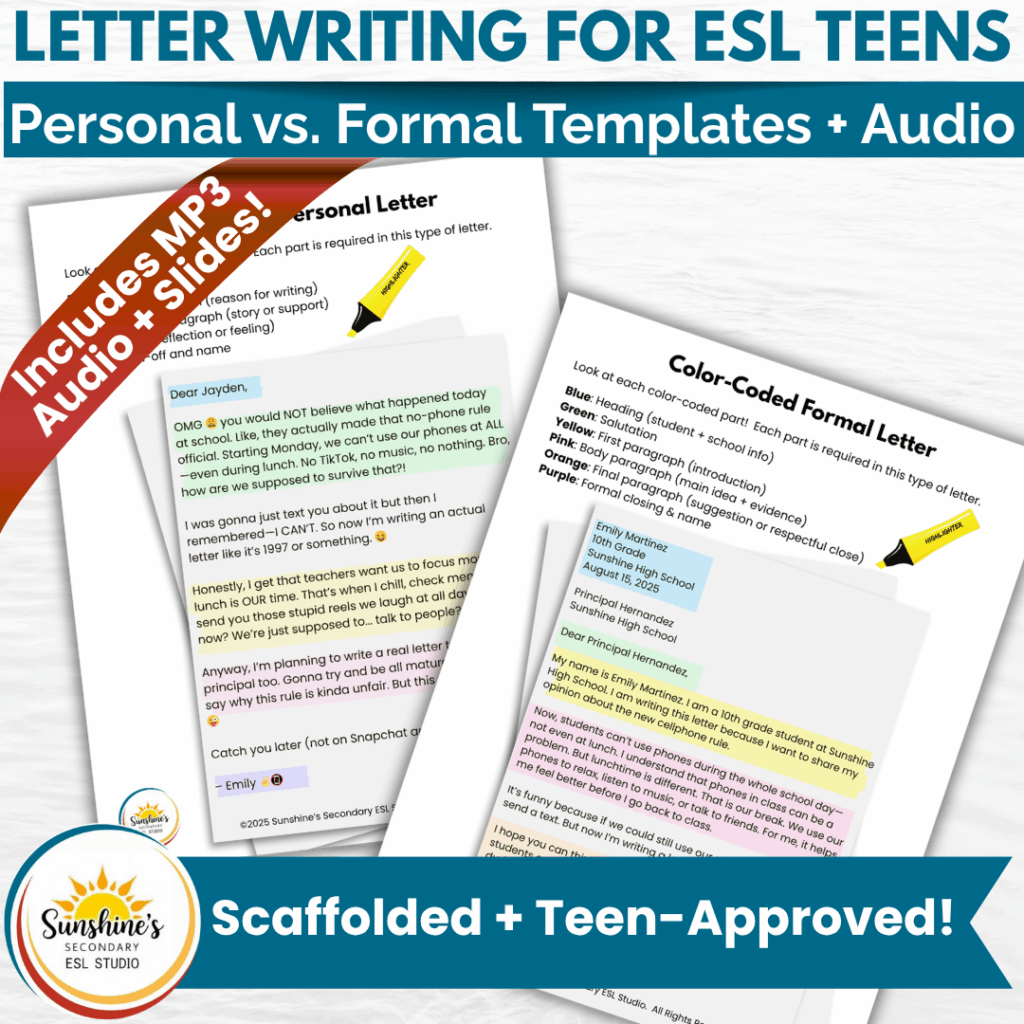
- Provide high-interest sample letters that feel authentic—written in a teen voice your students will relate to.
- Play audio of each sample letter being read aloud. This models fluency, tone, and sentence rhythm—especially helpful for newcomers or intermediate learners.
- Follow with printable prompts and scaffolded writing pages so students can practice both letter types and learn how state testing involves teaching ESL students the art of writing letters.
Want to Hear a Sample?
Here’s a quick preview of the personal letter sample included in the resource. It’s written in a casual teen voice—full of emojis, slang, and personality—so your students can hear how tone shifts when writing to a friend.
Scan the QR code below or click the link to listen:
Listen to the Personal Letter Sample (MP3)
or scan:

This is the exact MP3 included in the full resource—perfect for modeling tone, fluency, and sentence rhythm in your ESL classroom.
Ready-to-Use Letter Writing Resource for ESL Teens
If you need a complete ESL-friendly lesson on letter writing—aligned with STAAR, TELPAS, and other state standards—I’ve got you covered.
Letter Writing for ESL Teens: Personal & Formal with Audio
This resource includes:
- 2 sample letters (teen-voiced and relatable)
- MP3 audio recordings of each letter
- 5 visual reference pages (including color-coded samples)
- Printable prompts + writing pages
- Google Slides & PowerPoint with embedded audio
- Full lesson plan + answer key
This comprehensive lesson is perfect for back-to-school writing units, newcomer support, or building writing confidence and teaching letter writing to ESL students for state testing in any secondary ESL class.
Final Thoughts
Letter writing might seem old-fashioned in a world of text messages and voice memos—but it’s still one of the most powerful and practical genres ESL students can master. Whether they’re writing to a friend or advocating for themselves in a formal setting, our students deserve the tools to express their ideas clearly and confidently.
Mastering letter writing will ensure ESL students are ready for STAAR test preparation and other state exams.
Scrollable

ESL Teacher Morale: The Must-Have No One Puts on a Supply List
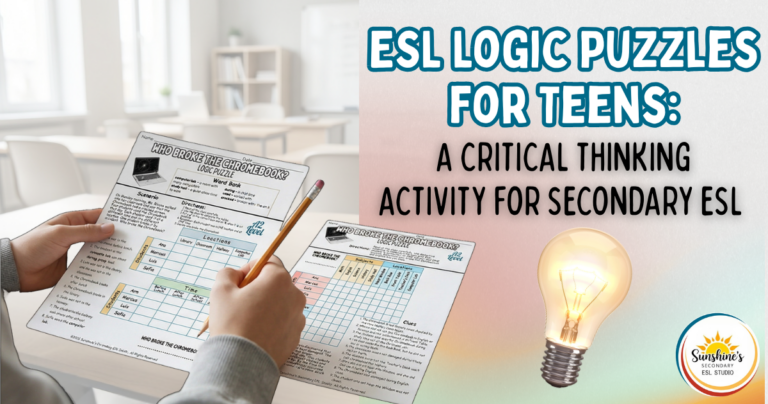
ESL Logic Puzzles for Teens: A Critical Thinking Activity for Secondary ESL

Teaching U.S. History in High School ESL

Teaching Black History Month in ESL Classrooms: Meaningful, Accessible, and Age-Appropriate
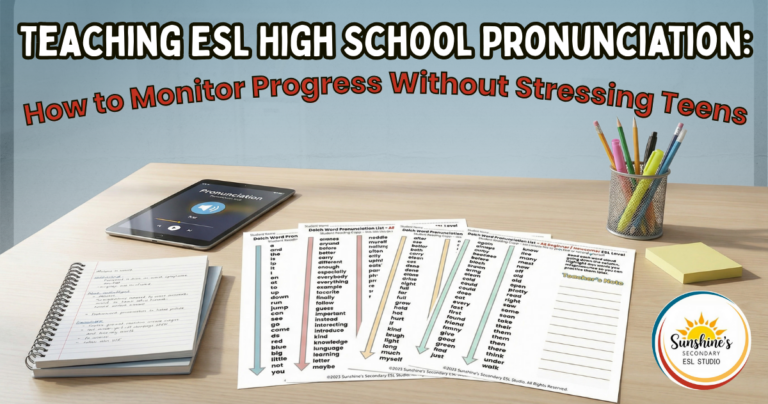
Teaching ESL High School Pronunciation: How to Monitor Progress Without Stressing Teens